

You check your competitors’ sites and notice they dominate the first page of results. Meanwhile, your own pages sit further down despite solid content and steady effort. The difference often comes down to one powerful signal: the quality and quantity of links pointing to your site. In 2026, these connections still shape how search engines decide which pages deserve the spotlight.
Fresh data from a wide-ranging review of more than 1,400 top-ranking pages across 15 major industries reveals clear patterns. Some sectors need just a handful of strong links to compete, while others demand thousands. You no longer guess what works you use real benchmarks to set smart targets and close the gap faster than ever.
Wondering exactly where your site stands compared to industry leaders? Our team maps your current profile and builds a precise plan to earn the right links explore targeted link-building strategies here.
What the Latest 2026 Data Shows About Link Profiles and Visibility
You want straightforward numbers that actually apply to your niche. Recent analysis of thousands of active link profiles from pages holding first-page positions delivers exactly that. Researchers pulled data using reliable tools that track unique linking sites (referring domains) rather than raw link counts, because one trusted connection carries far more weight than dozens of low-value ones.
Overall, the median number of referring domains for first-page sites sits at 907. Yet that single figure hides massive differences between industries. Competition level, trust requirements, and content type all drive the variation. High-stakes fields such as finance need robust networks of authority sites, while visual or local niches thrive with fewer but highly relevant links.
You see the real power when you look at link velocity the average number of new referring domains gained each month. Top performers add 48 new connections monthly on average. This steady momentum keeps them ahead as algorithms favor fresh, growing authority.
Core insights that stand out right away:
- Editorial links (natural mentions within helpful content) make up 92.2 percent of links to first-page pages.
- Directory and resource links fill only small portions 6.8 percent and 1.1 percent respectively showing engines reward context over simple listings.
- The gap between the easiest and toughest industries spans 40 times, proving a one-size-fits-all target never works.
These patterns hold across desktop and mobile results in major markets, giving you a reliable yardstick no matter where your audience searches.
Backlink Benchmarks Broken Down by Industry
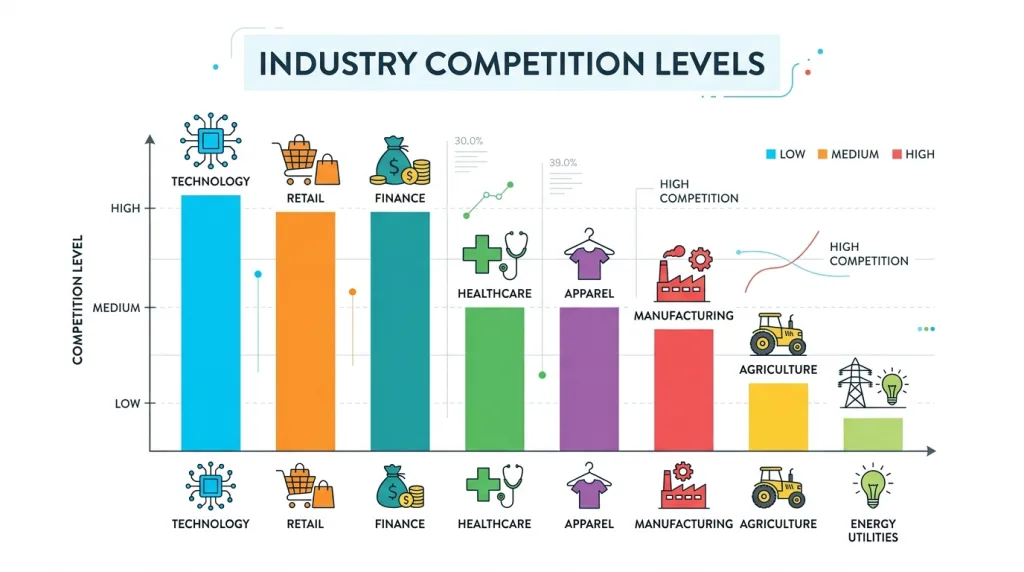
You gain the clearest picture when you group industries by competition level. Low-competition sectors let you compete with modest but focused link profiles. Medium and high tiers demand more scale and strategy. Here are the 2026 medians for referring domains needed to hold first-page spots, drawn from the latest comprehensive review.
Low-competition niches (under 500 referring domains median):
- Apparel: 76
- Arts & Entertainment: 173
- Dining & Nightlife: 235
- Food & Drink: 284
- Beauty & Personal Care: 361
- Home & Garden: 461
These areas often reward visual appeal, local relevance, or community ties. You succeed here by earning mentions from niche blogs, review sites, and local directories that your audience already trusts.
Medium-competition niches (500–1,500 referring domains median):
- Sports & Fitness: 564
- Business & Industrial: 936
- Jobs & Education: 907
- Computers & Electronics: 1,117
- Family & Community: 1,471
Here you need consistent outreach to industry publications and partnerships. One well-placed guest contribution or resource mention can move the needle quickly.
High-competition niches (over 1,500 referring domains median):
- Vehicles: 1,551
- Health: 1,915
- Real Estate: 2,032
- Finance & Insurance: 3,027
These fields involve money, health, or legal decisions, so engines look for strong signals of expertise and reliability. You build trust through in-depth studies, expert quotes, and collaborations with established voices.
Action steps you can take today with these numbers:
- Identify your industry median and note the 25th percentile as your minimum realistic target.
- Compare your current referring domains against the 75th percentile to see room for growth.
- Track your own monthly velocity and aim to match or exceed the industry average.
You turn these benchmarks into progress by focusing first on quality sources that align with your audience’s interests. Ahrefs’ detailed examination of one million search results confirms that referring domains still correlate strongly with higher positions, especially when links come from relevant, authoritative pages.
Why Your Industry Shapes the Exact Number You Need
You avoid wasted effort when you understand why the numbers differ so much. Finance and insurance pages earn thousands of links because readers demand proof of credibility before sharing personal details. Health sites face similar scrutiny—people want sources backed by real expertise and clear author credentials.
In contrast, apparel and beauty brands benefit from social shares, influencer mentions, and visual content that naturally attracts links without heavy outreach. Dining and food & drink thrive on local guides and community recommendations that build authority through relevance rather than sheer volume.
You also notice the role of link velocity. High-competition industries add over 100 new referring domains each month just to maintain position. Lower-competition fields stay competitive with 15–40 new connections. This ongoing activity tells engines your site remains active and valuable in its space.
Practical ways to apply this insight:
- Choose link sources that match your industry’s trust signals expert roundups for health, local partnerships for dining.
- Prioritize diversity: mix blog mentions, resource pages, and occasional interviews.
- Monitor competitor profiles monthly to spot new opportunities before they become crowded.
Backlinko’s broad ranking correlation research shows the top result typically holds 3.8 times more connections than positions two through ten. You close that gap faster when you target the right sources for your field instead of chasing generic volume.
How to Calculate Your Personal Backlink Gap and Set Realistic Targets

You stop guessing and start planning once you know your starting point. First, you check your current number of referring domains using any reputable analysis tool. Subtract that from your industry median to reveal the gap.
Next, you factor in velocity. If your industry average adds 48 new domains monthly, you set a target of at least that pace to keep pace with leaders. For faster growth, you aim for the 75th percentile range.
Simple calculation example for a health-related site:
- Industry median: 1,915 referring domains
- Your current profile: 620 referring domains
- Gap: 1,295 domains
- Monthly target: 71 new domains (industry velocity) for steady progress
You break the gap into quarters focus on 300–400 high-quality additions in the first three months. This phased approach prevents burnout and lets you measure results as you go.
Quick checklist to run your own gap analysis:
- List your top five target keywords and note the current first-page average.
- Count your live referring domains and note their quality scores.
- Identify three easy-win sources: existing customers, industry partners, or content you already created.
- Schedule monthly reviews to adjust targets as your profile strengthens.
You gain confidence when numbers replace assumptions. Every new connection you earn moves you visibly closer to the first page.
Solid technical foundations make every link work harder. Our developers ensure your site loads quickly, stays secure, and presents content cleanly so search engines reward your growing authority build a stronger site foundation here.
Proven Ways to Earn the Right Links in 2026

You build momentum when you focus on methods that align with how people actually discover and share information today. Create original research, data-driven guides, or expert interviews that others naturally want to reference. These pieces attract editorial links without aggressive pitching.
You also reach out to site owners with genuine value perhaps suggesting a resource that fills a gap on their page or offering a fresh perspective on a trending topic. Personalized, helpful messages convert far better than generic templates.
Effective link-earning tactics that deliver results:
- Publish in-depth studies or surveys unique to your niche and share them with relevant journalists.
- Collaborate on guest contributions that solve real problems for the host audience.
- Build relationships through podcast appearances, webinar panels, or community forums.
- Refresh older content with fresh statistics and notify past linkers of the updates.
- Partner with complementary businesses for co-branded resources or joint events.
You keep quality front and center: aim for sites with engaged audiences, relevant topics, and strong reputations. One link from a respected industry voice outperforms dozens from unrelated directories. Backlinko’s latest visibility statistics highlight how consistent, relevant connections drive sustained traffic growth.
You track everything in a simple spreadsheet date acquired, source domain, anchor context, and impact on traffic. This data guides your next moves and proves return on effort.
What the Data Means for Your Growth in the Coming Year
You see clear trends emerging for the rest of 2026. Relevance and context matter more than ever. Engines favor links embedded naturally within helpful content over forced placements. Velocity remains important, but only when paired with quality random spikes from low-value sources can actually hurt perception.
You also notice the rise of brand mentions and unlinked citations that sometimes evolve into full links over time. Building a recognizable name in your space creates natural opportunities that compound.
Forward-looking tips to stay ahead:
- Focus on E-E-A-T signals: demonstrate experience, expertise, authoritativeness, and trustworthiness in every piece.
- Diversify your profile across blog mentions, resource lists, and expert citations.
- Monitor algorithm updates quarterly and adjust tactics based on what top performers do.
- Combine links with excellent user experience so visitors stay longer and share more.
You turn these insights into steady progress when you act consistently. Small, targeted actions each month compound into major visibility gains by year-end.
You have the benchmarks now turn them into measurable growth. Our specialists identify high-value opportunities and handle outreach so you focus on what you do best capture more qualified leads from your improved visibility.
Frequently Asked Questions
How many backlinks does a typical first-page page actually have in 2026?
First-page pages hold a median of 907 referring domains across industries, but the real number ranges from 76 in apparel to over 3,000 in finance. You match your specific niche rather than chasing an overall average.
Does link quantity still matter more than quality this year?
Quality wins every time. Editorial links from relevant, trusted sites make up over 92 percent of top profiles. A few strong connections outperform hundreds of weak ones.
How fast can I realistically close a backlink gap?
Most sites see meaningful movement in three to six months when they add 40–70 new quality referring domains monthly. High-competition niches may need longer, but steady velocity delivers results.
Should I focus only on my own industry or look outside it?
Stay primarily within your niche for relevance, but supplement with complementary fields. A health site benefits from wellness blogs, while an apparel brand gains from lifestyle publications.
What role do local links play for service businesses?
Local links carry extra weight for nearby searches. Community sites, local news, and chamber mentions help you rank higher in “near me” results and build regional trust.
Is it still worth updating older content for new links?
Yes refreshing existing pages often earns renewed attention and fresh mentions. Many top sites gain links simply by keeping their best resources current.
How do I know if a potential link source is worth pursuing?
Check relevance, audience engagement, and site reputation. If the page fits your topic and readers would find value in your contribution, it is usually worth the effort.
Can a newer site compete without thousands of links?
Absolutely. Newer sites in lower-competition niches often rank with under 200 strong connections when they combine great content with smart, targeted outreach.
Keep reading
All articles
Content Gap Analysis: The Ultimate Guide to Finding Missing Topics
Discover the secrets of content gap analysis in 2026. A complete guide to identifying missing keywords and improving your digital strategy.
Read article
Beyond the Blue Link: Winning in the Age of AI-Driven Answers
Want your content quoted by ChatGPT and Google AI Overviews? Follow this checklist for faster pages, better structure, and human-friendly writing.
Read article
Web Security Protocols: How HTTPS, CORS, and CSP Protect Users
Protect your web application with three essential browser-enforced protocols. This guide explains HTTPS encryption, CORS access control, and CSP execution policies with…
Read article