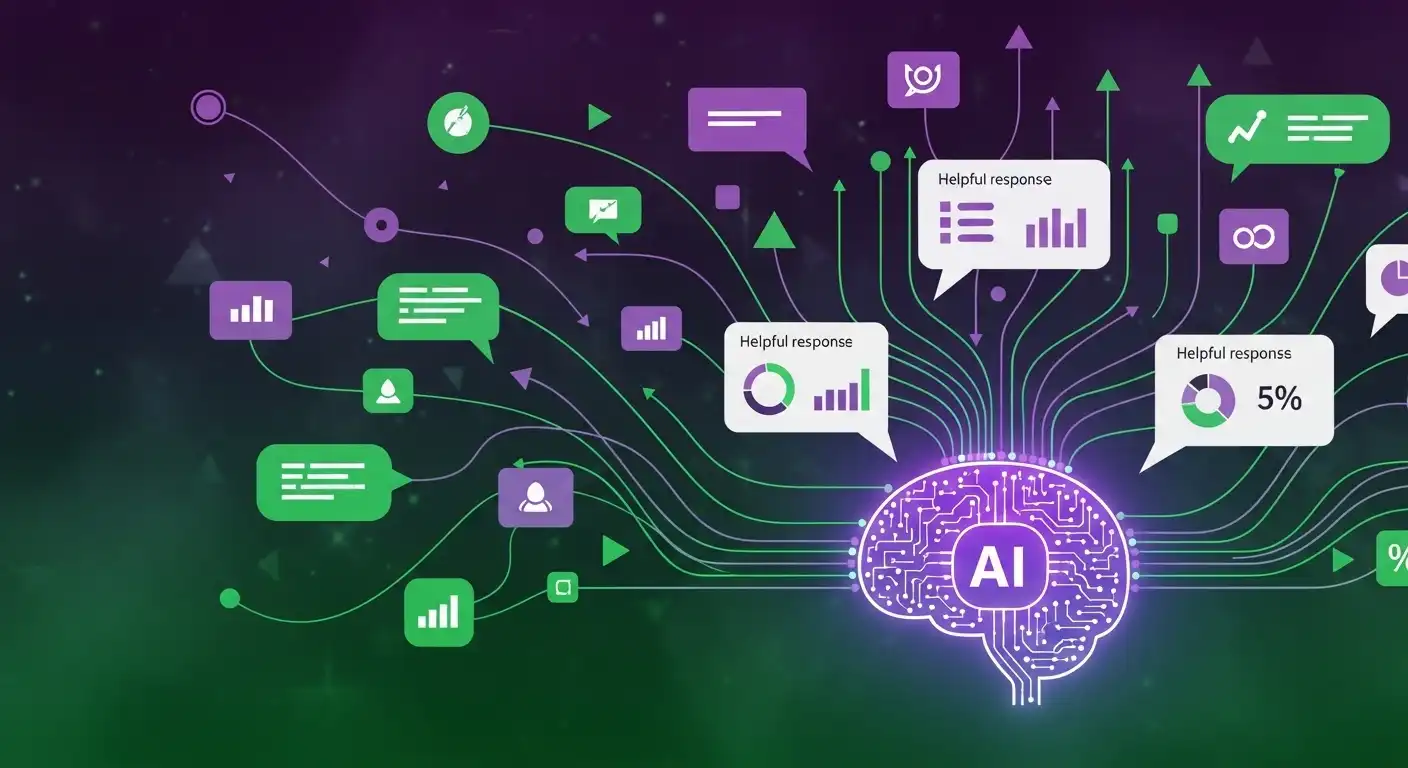
You type a question into an AI tool and receive a clear, detailed answer instantly. No long list of blue links to click through. This shift happens every day for millions of people, and it changes how your content reaches audiences. GEO gives you the tools to stand out in these smart, conversational search experiences.
Instead of hoping users click through to your site, you position your ideas, data, and insights so AI systems notice them, trust them, and include them naturally. The result? Your brand appears inside the answers people actually read and act on. This guide walks you through everything in plain language so you can start applying these ideas today.
The Rise of AI in Everyday Information Seeking
People no longer want ten search results. They want one helpful response that solves their problem right away. AI tools deliver exactly that by pulling together information from many sources and creating fresh summaries on the spot.
You see this pattern across platforms like ChatGPT, Perplexity, Google’s AI features, and voice assistants. Users ask full questions such as “How do I choose the best project management software for a remote team in 2026?” and expect a ready-to-use answer.
This behavior creates zero-click searches where the information stays inside the AI response. If your content stays hidden behind traditional rankings, you miss the conversation entirely. GEO changes that by making sure your voice joins the discussion.
Breaking Down GEO: A Straightforward Explanation
GEO means crafting online material so generative AI engines understand it, value it, and reference it when they build answers. You focus on clarity, authority, and structure rather than chasing clicks alone.
Think of it as training AI to see your content as a reliable expert source. The systems scan millions of pages, spot patterns, and pull the most helpful pieces. When you optimize with GEO in mind, your explanations, statistics, and examples become the building blocks AI prefers.
You do not rewrite everything overnight. Small, consistent changes in how you present information create big differences in how often AI systems quote you.
The Mechanics Behind Generative Search Engines
Generative engines work differently from older search tools. They combine large language models with real-time retrieval to synthesize answers instead of just matching keywords.
First, the engine identifies the user’s intent from natural language. Next, it retrieves relevant documents. Then, it generates a new response by weaving together facts, examples, and context.
You help this process when your pages use clear headings, direct answers early on, and well-organized lists. AI systems favor content that reads smoothly for both humans and machines. Short paragraphs, precise language, and supporting data make your material easier to understand and reuse.
Why GEO Matters More Than Ever in 2026
AI-powered search now handles a huge portion of daily queries. Recent data shows 83 percent of users find these tools more efficient than classic search methods. Many report that answers from AI convert 4.4 times better than traditional organic visits.
Businesses that appear inside these responses gain instant credibility. Users trust the AI summary and remember the brands it mentions. You build awareness without relying solely on clicks.
Early adopters already see higher share of voice, stronger brand recall, and more qualified leads. Waiting means competitors claim that space first. GEO future-proofs your visibility as AI search grows.
Core Elements That Help Content Shine in AI Answers
Several proven elements raise your chances of being cited. You apply them naturally so the content still feels warm and human.
- Clarity comes first. You state the main point in the opening sentences and avoid jargon unless you define it immediately.
- Structure guides the reader and the machine. Logical headings, bullet points, and numbered steps make key ideas easy to extract.
- Authority builds trust. You back claims with recent statistics, expert quotes, and clear sources.
- Uniqueness stands out. Fresh angles, original research, or real-world case examples give AI something new to share.
- Conversational tone matches user questions. You write the way people speak, using active voice and direct address.
These elements work together. AI systems reward content that feels complete, accurate, and helpful.
Actionable Strategies to Boost Your Visibility
You can start optimizing today with focused tactics that deliver measurable results.
Create comprehensive pillar pages that answer core questions deeply and link to supporting cluster content. Update existing articles with fresh statistics and clearer structure. Add author bios that highlight real expertise so AI recognizes credible voices.
Include relevant statistics and cite them properly. For example, mention conversion improvements from AI search in context rather than as random numbers. Use tables or lists to compare options so AI can pull comparisons cleanly.
You also optimize for follow-up questions. When users ask deeper queries, your related content appears in the conversation flow.
HubSpot shares eye-opening statistics on AI search adoption that highlight exactly how quickly user behavior is shifting.
A Simple Step-by-Step Approach to Implement GEO
You do not need a complete website overhaul. Follow these practical steps and build momentum gradually.
- Audit your top-performing pages and rewrite the introduction so it directly answers the most common question.
- Add clear subheadings and bullet points to break up long sections.
- Incorporate recent data, examples, and external references that strengthen your points.
- Test how AI tools currently summarize your content and adjust wording for better accuracy.
- Publish consistently on related topics to build topical depth that AI engines love.
Monitor progress monthly by checking whether your brand appears in sample queries on major platforms. Small tweaks compound over time.
Forbes Agency Council experts discuss emerging trends in AI search and show why early action creates lasting advantage.
Real Examples of Brands Seeing Results
Several companies already benefit from these methods. One SaaS firm optimized its resource center with structured comparisons and fresh statistics. Within months, 10 percent of its organic traffic came through AI citations, and 27 percent of that traffic turned into qualified leads.
Another agency focused on prompt mapping and fact-dense content. It reported a 67 percent lift in overall organic traffic and dramatically higher mentions inside AI overviews.
These stories prove that GEO works across industries when you combine clear structure with genuine expertise. A detailed case study from Go Fish Digital on driving leads through AI visibility walks through the exact tactics that delivered strong returns.
Mistakes That Can Hold You Back
You avoid common pitfalls by keeping the focus on helpfulness. Never stuff keywords or write only for machines—AI systems detect forced patterns and ignore them.
Skip vague claims without evidence. Update content regularly so outdated information does not hurt your authority. Do not ignore mobile readability or slow page speed because AI crawlers still consider user experience signals.
Most importantly, treat GEO as an addition to your existing efforts rather than a replacement. Balance remains key.
Looking Ahead: What the Future Holds
AI search will grow even more conversational and multimodal. Voice, image, and video queries will become standard, and expectations for accuracy will rise. Brands that build consistent authority now will dominate future answers.
You stay ahead by experimenting with new formats, tracking citation patterns, and refining your approach based on real data. The organizations that treat GEO as a long-term strategy will enjoy compounding visibility and trust.
Wrapping Up
GEO equips you to thrive in a world where AI shapes the first impression users receive. You create content that informs, earns trust, and gets shared inside the answers people rely on every day. Start small, stay consistent, and watch your ideas reach audiences in powerful new ways.
The opportunity sits right in front of you. Take the first step today and position your brand as the go-to source for the questions that matter most.
Frequently Asked Questions
How does GEO improve visibility in AI answers?
You make your content easier for AI systems to understand and trust. Clear structure, direct answers, and solid evidence encourage these tools to reference your material naturally when they generate responses.
Is GEO difficult for small teams to implement?
Not at all. You begin with existing pages, improve introductions, add bullet points, and include recent data. Consistent small changes create noticeable results without a huge budget or technical overhaul.
What kind of content performs best?
Explanatory articles, step-by-step guides, comparison tables, and data-backed insights work especially well. AI systems favor material that solves problems clearly and provides fresh perspectives.
How long until you see results?
Many teams notice better summaries within weeks, while stronger brand mentions and citation growth usually appear after two to four months of steady effort.
Can established businesses benefit alongside startups?
bsolutely. Larger organizations strengthen their authority signals, while smaller ones gain equal footing through focused, high-quality content that demonstrates real expertise.
What tools help you track GEO progress?
You test sample queries on major AI platforms, review how often your brand appears, and use analytics to measure referral traffic from conversational sources.
Does updating old content make a difference?
Yes. Refreshing introductions, adding current statistics, and improving structure often boosts how frequently AI tools cite those pages.
How does GEO fit with your overall content strategy?
You treat it as a natural layer that enhances everything you already create. The same helpful, well-organized material that serves readers also performs strongly for AI engines.