

Artificial intelligence has completely rewritten the rulebook for digital marketing. Modern businesses no longer rely on cold calling or manual data scraping to fill their pipelines. Instead, they deploy AI lead generation to identify, qualify, and nurture prospects with unprecedented speed and accuracy.
If your sales team spends more time researching prospects than actually closing deals, you are losing revenue to competitors who have already automated these workflows. AI analyzes massive datasets, identifies high-intent buying signals, and personalizes outreach instantly.
In this comprehensive guide, we explore exactly how AI revolutionizes lead generation, the top use cases for your sales team, and the actionable steps you must take to implement these advanced technologies effectively.
Ready to transform your pipeline? Explore the definitive demand generation vs lead generation playbook to align your marketing and sales efforts today.
The Shift: Traditional vs. AI-Powered Lead Generation

For decades, marketers built lead generation funnels using static web forms, gated content, and manual email blasts. Sales representatives then spent countless hours scoring these leads by hand, often prioritizing the wrong accounts.
AI-powered lead generation eliminates this friction entirely. Machine learning algorithms process behavioral data in real-time. They instantly separate casual website visitors from high-intent buyers ready to make a purchase.
Consider the distinct advantages AI offers over traditional methods:
- Real-Time Data Processing: Traditional methods rely on historical data and manual updates. AI processes real-time user behavior, such as website clicks, video views, and content downloads.
- Predictive Lead Scoring: Manual scoring assigns arbitrary point values to actions. Predictive AI evaluates hundreds of micro-signals simultaneously to forecast the exact probability of a conversion.
- Instant Engagement: Human representatives take hours or days to respond to inquiries. AI chatbots engage visitors in seconds, qualifying them instantly.
According to recent marketing statistics, companies that automate lead management see a massive increase in revenue within months. AI doesn’t just speed up the process; it fundamentally improves the quality of every prospect entering your system.
Core Components of an AI Lead Generation Strategy

To harness AI effectively, you must understand the underlying technologies driving these marketing systems. Three core components power modern AI lead generation.
Machine Learning and Predictive Analytics
Machine learning systems train on your historical customer data. They identify patterns among your most successful closed-won deals. Once the system understands what your ideal customer looks like, it scans your current pipeline to find matching profiles. Predictive analytics then forecast which accounts hold the highest buying intent, allowing your team to focus exclusively on prospects ready to buy.
Natural Language Processing (NLP)
NLP enables computers to understand, interpret, and generate human language. In lead generation, NLP powers sentiment analysis. It scans incoming emails, social media comments, and chat logs to determine if a prospect feels frustrated, curious, or ready to purchase. You can then tailor your sales approach based on their exact emotional state.
Generative AI for Content Creation
Generative AI tools create hyper-personalized text, emails, and campaign assets at scale. Instead of sending a generic newsletter to 10,000 subscribers, generative AI writes 10,000 unique emails tailored to each recipient’s specific industry, job title, and past browsing behavior.
Struggling to organize your incoming prospects? Discover how effective lead management accelerates your sales cycle and boosts overall conversion rates.
Top Use Cases: How AI Supercharges the Pipeline
Businesses implement AI lead generation to solve very specific bottlenecks in their sales cycles. Here are the most impactful ways AI supercharges pipeline growth.
Identifying High-Intent Prospects Before Competitors
Buyers complete up to 70% of their purchasing research before they ever contact a sales representative. If you wait for a prospect to fill out a contact form, you arrive too late. AI intent data tools monitor third-party platforms, search engines, and industry forums. They identify companies actively researching solutions like yours. You can reach out and build a relationship before your competitors even know the prospect exists.
Instant Lead Qualification and Routing
When a prospect lands on your pricing page, every second counts. AI chatbots act as digital sales development representatives (SDRs). They ask qualifying questions regarding company size, budget, and pain points. If the prospect meets your ideal criteria, the AI instantly routes the conversation to an available human representative. If the prospect does not qualify, the AI directs them to helpful self-serve resources.
Hyper-Personalized Outreach at Scale
Cold outreach fails because it sounds generic. AI fixes this by analyzing a prospect’s LinkedIn profile, recent company news, and industry trends. The AI then drafts a highly personalized email referencing a recent funding round or a new product launch. This level of personalization dramatically increases open and reply rates.
Need more high-quality prospects in your pipeline? Learn exactly how to generate leads efficiently using proven digital marketing strategies.
How to Implement AI in Your Lead Generation Process
Adopting AI requires a strategic approach. You cannot simply plug an AI tool into a broken system and expect miraculous results. Follow these precise steps to build a reliable AI-driven engine.
Step 1: Audit Current Processes and Clean Your Data
AI runs on data. If you feed the system outdated contact information, duplicate records, and disorganized metrics, the AI will generate flawed insights. Audit your current Customer Relationship Management (CRM) database. Remove duplicates, standardize formatting, and enrich missing fields. Clean data guarantees accurate predictive scoring.
Step 2: Set Up Predictive Lead Scoring
Move away from demographic-only scoring. Connect your website analytics, email marketing platform, and CRM to your AI scoring tool. Instruct the system to monitor behavioral signals:
- Repeated visits to high-value pages (Pricing, Case Studies).
- Interaction with specific email campaigns.
- Attendance at webinars and virtual events.
The AI will assign a dynamic score that changes as the prospect interacts with your brand.
Step 3: Automate Multi-Channel Nurture Sequences
Not every lead wants to buy today. You must nurture early-stage prospects until they reach purchasing maturity. Use AI to trigger automated, multi-channel sequences. If a prospect ignores an email, the AI automatically serves them a targeted ad on LinkedIn. If they click the ad, the AI triggers a personalized SMS message.
Step 4: Enhance Visual and Multimedia Assets
AI also optimizes the visual assets you use to attract leads. High-converting landing pages require stunning visuals. Whether you use AI image generators or rely on professional photo editing services to refine your brand imagery, visual excellence captures attention and drives form submissions faster than text alone.
The BANT Framework in the Age of AI

Sales teams have used the BANT framework for decades to qualify leads. AI modernizes this classic methodology by uncovering these answers automatically, often without asking the prospect directly.
- Budget: AI cross-references company revenue data, recent funding rounds, and employee growth to estimate purchasing power.
- Authority: AI analyzes organizational charts and LinkedIn data to determine if your contact holds true decision-making power.
- Need: AI monitors intent data and search behavior to identify the prospect’s exact pain points.
- Timeline: AI tracks the urgency of search queries and content engagement to predict when the prospect intends to finalize a decision.
Want to qualify prospects faster? Master the essential criteria by understanding what is BANT lead generation for your sales team.
Avoiding Common AI Execution Risks
While AI offers massive advantages, poor execution leads to wasted budgets and frustrated prospects. Avoid these common pitfalls to protect your brand reputation.
Over-Automation and Losing the Human Touch
Do not let AI handle the final closing stages of a deal. AI excels at initial outreach, data processing, and qualification. However, complex B2B sales require human empathy, negotiation, and relationship building. Use AI to handle the tedious tasks so your human representatives can focus on meaningful conversations.
Ignoring Model Hallucinations
Generative AI occasionally fabricates information, a phenomenon known as hallucination. If you allow an AI to send automated emails without human oversight, it might promise features you do not offer or quote incorrect pricing. Always implement a “human-in-the-loop” approval step for critical communications.
Relying on Fragmented Tech Stacks
If your AI chatbot does not communicate with your CRM, you create data silos. Ensure all your tools integrate natively. According to Gartner sales research, unified technology stacks perform significantly better because they provide a single source of truth for all customer data. Choose platforms offering robust API connections.
Top AI Lead Generation Tools and Software
Selecting the right technology stack dictates the success of your campaigns. While thousands of tools exist, you must focus on platforms that integrate seamlessly into your current workflow.
Look for tools that offer:
- Native CRM Integrations: Ensure the software pushes data directly into your existing database.
- Real-Time Intent Data: The platform must provide actionable insights regarding who is currently in the market for your solution.
- Automated Workflow Triggers: The software should allow you to build custom rules based on specific prospect behaviors.
Equip your team with the right technology. Compare the best lead generation tools to automate your outreach and scale revenue.
The Future of AI Lead Generation

The landscape of AI lead generation evolves daily. We are moving away from simple reactive algorithms toward Agentic AI autonomous systems that plan and execute entire marketing campaigns independently.
In the near future, AI agents will design landing pages, write ad copy, bid on keywords, and optimize conversion rates in real-time without human intervention. To stay competitive, businesses must adopt foundational AI tools today. Those who wait will find it impossible to catch up to the efficiency of fully automated competitors.
Conclusion
AI lead generation is no longer a futuristic concept; it is a mandatory requirement for modern business growth. By implementing predictive analytics, intelligent chatbots, and generative outreach, you eliminate the guesswork from your sales process. You empower your team to focus exclusively on highly qualified prospects who are eager to purchase.
Start small. Clean your data, implement a dynamic scoring model, and launch a conversational chatbot. As you gather data and witness the return on investment, you can scale your AI initiatives across the entire organization.
Take complete control of your sales pipeline. Read our comprehensive lead generation guide to implement these advanced AI strategies today.
Frequently Asked Questions (FAQs)
1. What exactly is AI lead generation?
AI lead generation uses artificial intelligence, machine learning, and automation to identify, attract, and qualify potential customers. It analyzes large datasets to predict which prospects are most likely to convert, saving sales teams countless hours of manual research.
2. Can AI replace my sales team?
No. AI replaces the tedious, repetitive tasks associated with sales, such as data entry, initial qualification, and cold emailing. It empowers your human sales representatives to focus on relationship-building, complex negotiations, and closing deals.
3. How does predictive lead scoring work?
Predictive lead scoring uses machine learning algorithms to analyze historical data and current prospect behavior. It assigns a numerical value to each lead based on their interactions (e.g., website visits, email opens, demographic fit), forecasting their exact likelihood to purchase.
4. What is intent data and why does it matter?
Intent data tracks the digital footprint of companies actively researching solutions online. It allows you to identify businesses that show buying signals such as downloading whitepapers or searching for specific keywords before they ever reach out to you directly.
5. Are AI chatbots effective for B2B lead generation?
Yes. AI chatbots engage website visitors 24/7, answering basic questions and asking qualifying questions based on the BANT framework. They seamlessly route highly qualified leads to human representatives, ensuring no opportunity slips through the cracks.
6. Is my data safe when using AI marketing tools?
Data security depends entirely on the vendors you select. You must choose AI platforms that comply with GDPR, CCPA, and other relevant data privacy regulations. Always review a vendor’s data processing agreements before integrating them with your CRM.
7. How much does it cost to implement AI lead generation?
Costs vary widely. Small businesses can start with basic AI CRM features for a few hundred dollars a month. Enterprise-level predictive analytics and intent data platforms can cost thousands of dollars monthly. The key is to start with high-impact, low-cost tools and scale as you generate ROI.
8. How fast will I see results from AI lead generation?
If your data is clean and properly integrated, you can see improvements in email open rates and chatbot qualification within days. However, training predictive machine learning models accurately usually takes 30 to 90 days to achieve peak performance.
Keep reading
All articles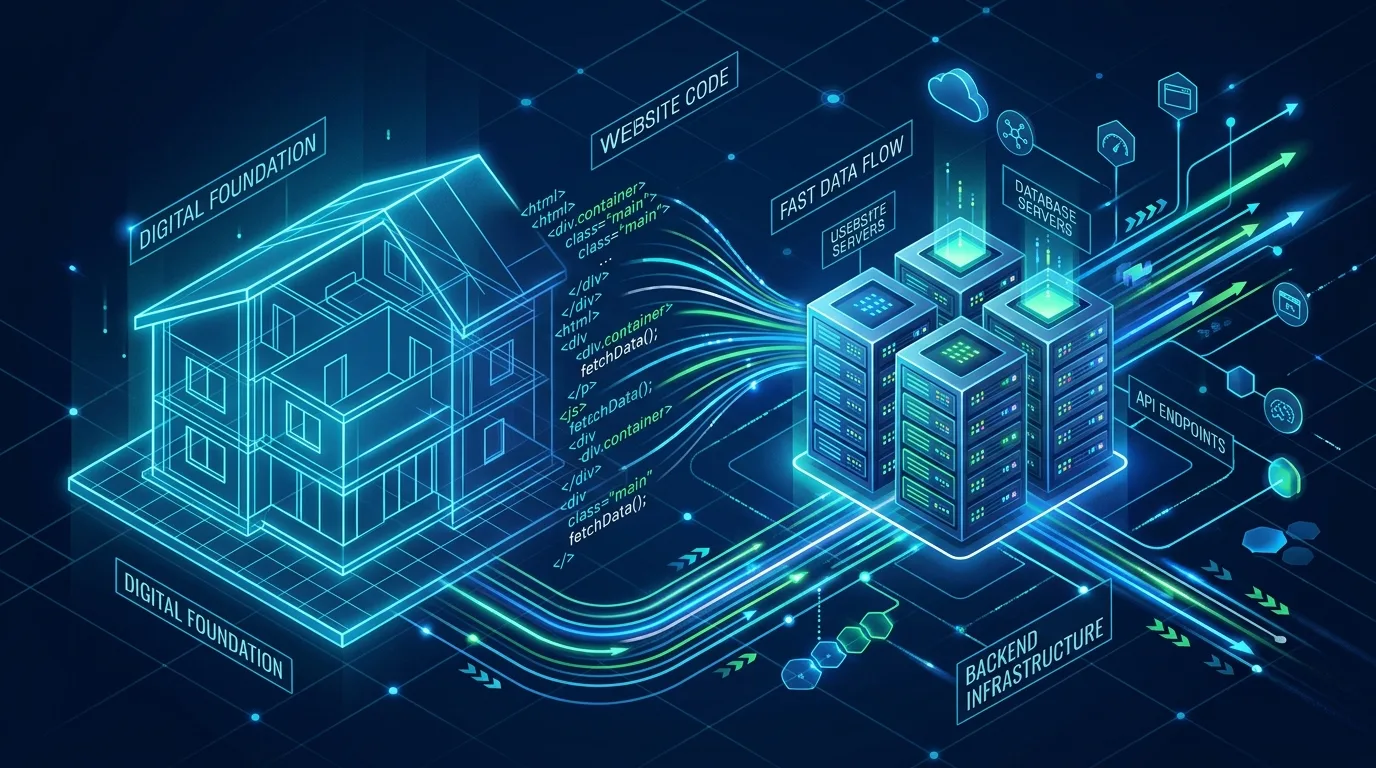
Technical SEO Explained: Optimize Foundations for Rankings
Demystifying the Backend Mechanics of Search Engine Visibility Imagine building a magnificent, architectural masterpiece of a house. You invest months selecting premium…
Read article
Anchor Text: The Definitive Guide to Boosting SEO & Generative Engine Rankings in 2026
Search engines have evolved faster in the last two years than in the previous decade. Google now serves AI-generated overviews, Bing integrates…
Read article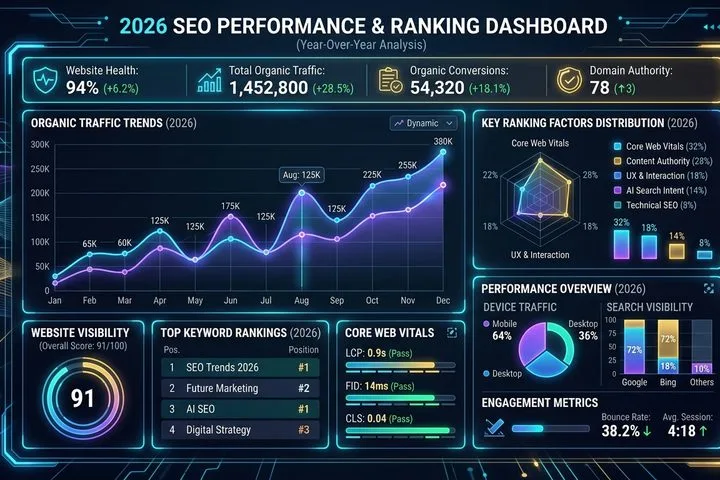
How to Rank Higher on Google in 2026 (Complete SEO Guide)
Search engines change fast, but one thing stays constant: you want your website on the first page of Google. In 2026, ranking…
Read article